
The Swiss Vetterli of 1869 was the first repeating rifle adopted as a standard infantry arm by a national army. It was designed around a black powder cartridge that leaves the muzzle at 1,300 to 1,400 feet per second.
That one fact changes how you shop. A bullet that slow arcs like a thrown ball, and the steel behind it was forged for pressures far below anything a modern hunting rifle handles.
So here is the honest starting point. Original Vetterli rifles, including the Swiss M1869, M1878 and 1881 and the Italian Vetterli Vitali, are collector firearms from the 1870s and 1880s. Mounting a scope can drill, clamp or scratch a piece of history and cut its value.
If you shoot one at all, use black powder or very low pressure loads suited to the chambering, and have a qualified gunsmith inspect the rifle first. Follow every local law on antique firearms, and never assume an old action is sound.
If you still want an optic, the goal is not reach. It is a clear aiming point at 100 yards or less, with long eye relief or no eye relief at all, mounted in a way that can come off without leaving a mark.
A bullet drop compensating reticle will not match this trajectory, so ignore those hash marks. Treat every option here as a simple aiming aid.
The lineup starts with the Leupold FX II 2.5×28 IER Scout as the best overall pick. The Vortex Crossfire Red Dot is the budget choice, the Holosun HS403B has the longest battery life, the Primary Arms SLx 1X MicroPrism gives the clearest aiming point, and the Trijicon MRO is the premium option.
Best Optics for Vetterli Rifle Comparison
| # | Image | Name | Key Features | Check Price |
|---|---|---|---|---|
| 1 | 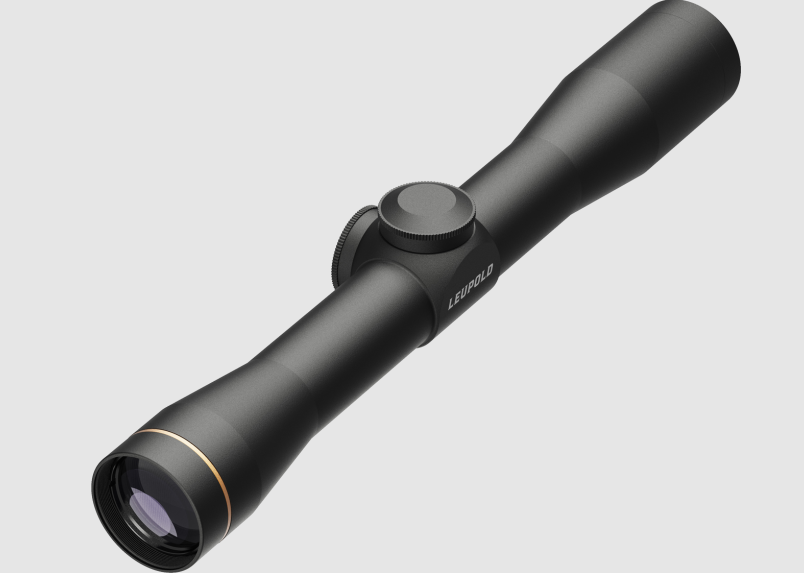 |
Leupold FX II 2.5×28 IER Scout | Long eye relief, 2.5x, forward mounting | Check Price |
| 2 | 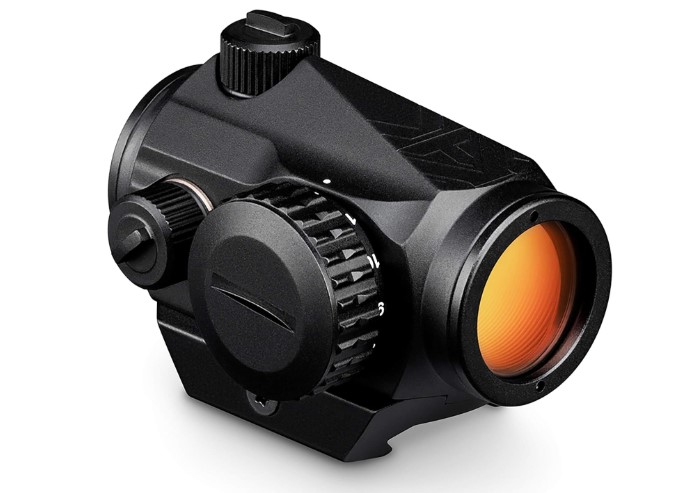 |
Vortex Crossfire Red Dot | 1x, 2 MOA dot, simple controls | Check Price |
| 3 | 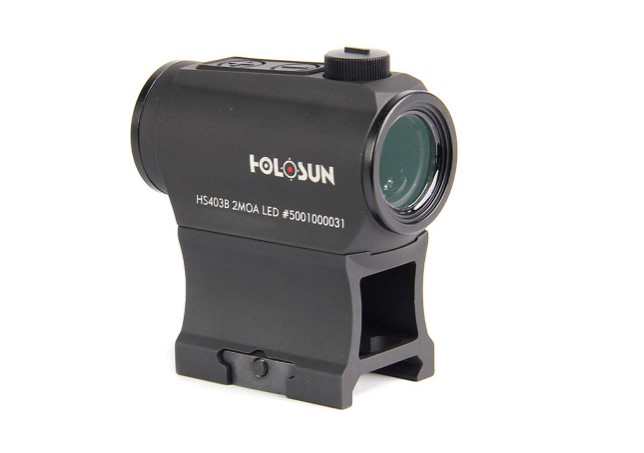 |
Holosun HS403B Red Dot | 2 MOA dot, very long battery life, compact | Check Price |
| 4 | 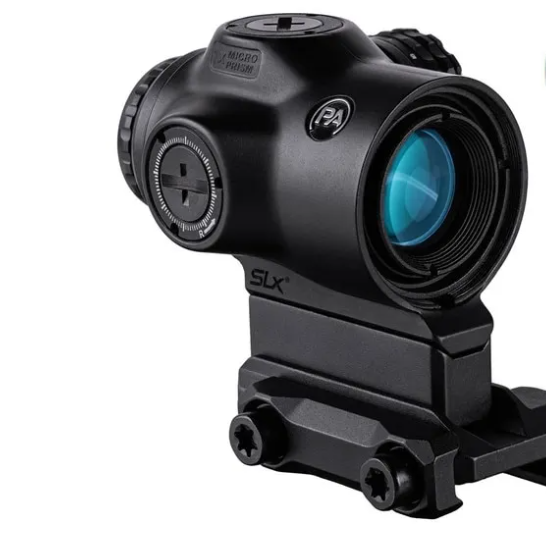 |
Primary Arms SLx 1X MicroPrism | Etched reticle, sharp aiming point, compact | Check Price |
| 5 | 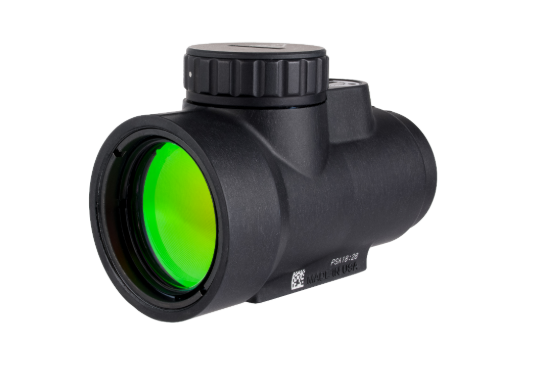 |
Trijicon MRO 1×25 | Wide window, 2 MOA dot, tough housing | Check Price |
In Depth Reviews
Every optic below is low power and simple, because that is what an 1870s rifle can carry. As you read, keep one question in mind: can this come off the rifle without leaving a trace?
#1 Leupold FX II 2.5×28 IER Scout – Best Overall
If a Vetterli is going to wear a scope, this is the shape that makes sense. A scout scope sits well forward of the receiver, which keeps the eye relief long and leaves the original rear sight area clear.
That forward position matters on a rifle with a tubular magazine and an open action. You are not crowding the receiver, and you keep your head up in a natural stance.
The 2.5x magnification is the most any Vetterli should carry. At 100 yards, a slow 310 grain lead bullet needs a clear target and a steady hold, not a telescope.
Here is the part nobody mentions. Eye relief on this class of scope is measured in double digit inches, so the scope can sit on the barrel instead of the receiver. That opens up barrel mount and clamp style solutions.
Be clear on one thing. A scout mount still needs a base, and the base needs a way to attach. Ask a gunsmith about reversible, non drilling options, and walk away from any plan that cuts into original metal.
Who should buy this? A shooter who plans to fire a sound, inspected rifle with period correct loads and wants a true scope picture. Who should skip it? Anyone whose rifle is a matched collector grade piece that has never been altered.
Remember that a standard BDC reticle would mislead you here. This one is a plain crosshair, which is what you want. You learn the holdover for your own load and write it on a card.
It earns the top spot because it is the option here that behaves like a real scope, offers real magnification, and suits the way a long rifle fits the shoulder.
Key Features
| Feature | Specification |
|---|---|
| Magnification | 2.5x fixed |
| Objective Lens | 28mm |
| Tube Diameter | 1 inch |
| Eye Relief | Intermediate, scout style, very long |
| Reticle | Simple duplex style crosshair |
| Warranty | Covered by Leupold’s lifetime warranty |
Pros
- Long eye relief lets the scope sit forward, away from the receiver and the original sight line
- Fixed 2.5x gives a wide, forgiving view for 100 yard work without tempting you to stretch
- A plain crosshair avoids the false promise of a BDC that cannot match black powder drop
- Covered by Leupold’s lifetime warranty, which is rare reassurance on a rifle this old
Cons
- It still needs a base, so a non permanent solution takes planning and professional help
- It costs more than a basic red dot, which matters on a rifle you may shoot a few times a year
Our Take
If you want the closest thing to a real scope on a Vetterli, the Leupold FX II 2.5×28 IER Scout is worth a closer look. It delivers a long eye relief picture with modest power and a plain reticle, and it is covered by Leupold’s lifetime warranty. Pair it with a gunsmith’s advice, not a drill.
#2 Vortex Crossfire Red Dot – Best Budget Pick
A red dot cares nothing about eye relief, which makes it the easiest optic to live with on a rifle that was never built for one. You put the dot on the target and shoot, with both eyes open.
That suits a 100 yard Vetterli session well. The dot is small enough at 2 MOA to cover a target with precision, and it asks nothing of your cheek weld.
Here is a frank detail. A red dot is the lightest thing you can hang on a rifle, so it puts the least stress on a mounting point, and it adds no bulk to a long, slim rifle.
The Crossfire line is the entry level of the Vortex family. It lacks the glamour of the premium dots, but it covers the basics, and its controls are easy to understand without a manual.
The catch is the mounting. The base is built for a Picatinny style rail, and a Vetterli has nothing like that. You need a clamp, a barrel band, or a reversible adapter from a gunsmith.
Please do not drill a Vetterli to fit this. If the rifle has lost most of its collector value already, that is your decision, but make it with a gunsmith, not a guess.
Who should buy this? A budget minded shooter with a sporterized or already modified rifle who wants a cheap, reversible aiming aid. Who should skip it? A collector with an original military configuration who wants zero change.
Also remember that a dot hides the target at distance. Beyond 100 yards, a 2 MOA dot covers two inches for every 100 yards, and a big, slow bullet will drop out from under it.
It earns second place because the price is gentle, the controls are simple, and Vortex’s service backs it up. Spend the savings on a gunsmith visit and a proper set of dies.
Key Features
| Feature | Specification |
|---|---|
| Magnification | 1x |
| Dot Size | 2 MOA |
| Eye Relief | Unlimited |
| Mount Style | Picatinny style, needs an adapter on a Vetterli |
| Housing | Aluminum |
| Warranty | Backed by Vortex’s VIP warranty: unconditional, lifetime, and transferable to the next owner |
Pros
- A dot has no eye relief concerns, so it suits an old rifle’s awkward stock geometry
- The 2 MOA dot is precise enough for 100 yard groups on a slow, heavy bullet
- Simple controls mean you spend your range time shooting, not menu surfing
- Backed by Vortex’s VIP warranty: unconditional, lifetime, and transferable to the next owner
Cons
- The Picatinny style base has nothing to attach to on a Vetterli without an adapter
- A dot offers no magnification, so anything past 100 yards is guesswork
Our Take
If you want the lowest cost way to try an optic, the Vortex Crossfire Red Dot is worth a closer look. It delivers a clean, simple dot and backs it all up with Vortex’s VIP warranty: unconditional, lifetime, and transferable. Spend a little of what you save on professional mounting advice.
#3 Holosun HS403B Red Dot – Best for Battery Life
Old rifles sit in safes for months, and that is when most batteries die. The HS403B tackles this problem with a claimed battery life measured in tens of thousands of hours, which means you can mount it and forget it.
Translate that into real terms. Even at modest settings, a dot that lasts that long can sit on a rifle for years of occasional range trips without a battery swap.
The housing is compact, and the dot is a crisp 2 MOA. On a long, slender rifle like the Vetterli, a small optic keeps the profile clean and the balance close to original.
Here is a detail worth knowing. The HS403B includes a motion sensing feature that wakes the dot when the rifle moves, so you do not hunt for a switch at the bench.
The same mounting rule applies as everywhere else on this list. The base expects a rail, and a Vetterli does not have one, so you need a reversible adapter or a clamp style solution from a gunsmith.
Who should buy this? Someone who shoots a Vetterli a few times a year and hates dead batteries. Who should skip it? A collector who wants the rifle as it left the arsenal.
The dot also matters for your own safety on an inspected rifle. A clear aiming point lets you shoot at short range, so you spend less time on the trigger and more time on safe handling.
Remember the physics, too. A heavy, slow bullet drops fast beyond 100 yards, and a battery that lasts forever will not change that. Hold the dot where your own load tells you.
It lands in third place because it is almost as simple as the budget pick but lasts far longer between batteries. That is a real advantage on a rifle that lives in a case.
Key Features
| Feature | Specification |
|---|---|
| Magnification | 1x |
| Dot Size | 2 MOA |
| Battery Life | Claimed up to 50,000 hours |
| Battery | CR2032 |
| Housing | Aluminum, compact |
| Warranty | Covered by Holosun’s 10 year warranty |
Pros
- A very long claimed battery life suits a rifle that sits unused for months
- Motion sensing wake means the dot is ready when you pick up the rifle
- The compact housing keeps a slim, historic rifle looking balanced
- Covered by Holosun’s 10 year warranty, with a long service history behind it
Cons
- It needs an adapter or clamp on a Vetterli, because there is no rail to bolt to
- A dot gives no help for target identification at longer distances
Our Take
If you hate dead batteries and want a small, tough dot, the Holosun HS403B Red Dot is worth a closer look. It delivers very long battery life and a crisp 2 MOA dot, and it is covered by Holosun’s 10 year warranty. Plan the mount with a gunsmith before you buy.
#4 Primary Arms SLx 1X MicroPrism – Best for Clear Aiming Point
A prism gives you something a basic dot cannot: an etched reticle that stays visible even if the battery gives up. For a rifle that may sit for years, that is a quiet but real advantage.
The reticle looks sharp against a target at 50 or 100 yards, and the optic stays compact. That makes it a sensible choice for shooters who find a plain dot too vague.
Here is a detail that matters on this rifle. Many prism reticles include BDC style markings, and those are tuned for modern rifle cartridges. They do not match a 310 grain lead bullet at 1,300 feet per second.
If you buy this, treat the extra marks as decoration. Learn your own holdover with your own load, and keep the reticle’s center point as your primary aim.
Magnification is 1x, which keeps things honest. A Vetterli is a short range rifle, and an optic that pretends otherwise is just a distraction.
Like every option here, the mounting is the real task. The base expects a rail, and an original rifle has none, so you must plan a reversible, professionally installed solution.
Who should buy this? A shooter who wants a sharper aiming reference than a plain dot, and who accepts that the optic must be adapted. Who should skip it? Anyone who wants to leave the rifle original.
There is also a practical benefit for anyone with aging eyes. An etched reticle is easy to see against dark backgrounds and tends to be easier to focus on than a floating dot.
It takes fourth place because it costs a little more than the dots but offers a sharper picture and backup visibility. Primary Arms also stands behind its products with a lifetime promise.
Key Features
| Feature | Specification |
|---|---|
| Magnification | 1x |
| Optic Type | Prism |
| Reticle | Etched, visible without battery power |
| Housing | Compact aluminum |
| Mount Style | Rail style, needs an adapter on a Vetterli |
| Warranty | Backed by Primary Arms’ lifetime warranty |
Pros
- An etched reticle stays visible even if the battery dies on a rarely used rifle
- A sharp aiming point helps shooters with aging eyes at 50 to 100 yards
- Compact size keeps the rifle’s profile slim
- Backed by Primary Arms’ lifetime warranty
Cons
- Any BDC style marks will not match a slow, heavy black powder bullet
- It requires a reversible adapter or clamp, and it weighs more than a small dot
Our Take
If you want a sharper aiming point than a basic dot, the Primary Arms SLx 1X MicroPrism is worth a closer look. It delivers an etched reticle and a compact body, and it is backed by Primary Arms’ lifetime warranty. Just ignore the stadia marks and learn your own holdover.
#5 Trijicon MRO 1×25 – Best Premium
The MRO is the choice for the shooter who wants the clearest, most forgiving window on this list. Its wide field of view lets you keep both eyes open and track the target.
A wide window matters when a rifle is long and heavy and your head position is not consistent. The MRO tolerates this better than a small tube dot.
Here is a detail that surprises people. The dot is a 2 MOA size, but the optic has a large objective, so the dot stays centered and bright even when your eye wanders.
Trijicon claims a battery life measured in years at a mid setting. That is the time a rifle might sit unused between trips, so it is a good fit for a collector’s safe queen.
The housing is tough, and that is useful on a hand me down rifle that sees the occasional trip in a truck. It is the premium option, and it feels like one.
But the same mounting limits, and they matter more here. This is the heaviest and most expensive optic on the list, so it loads a mounting point the most.
Who should buy this? A shooter who has a modified, sporterized Vetterli and wants the best aiming window available. Who should skip it? Collectors, and anyone on a budget.
Also keep in mind that price does not change the rifle’s age. A premium dot on a 140 year old action is still a dot on a 140 year old action, and the inspection matters more than the optic.
It lands fifth, not first, only because of cost and weight on a rifle that rewards a light touch. As a premium pick, it protects your eyes and your investment in the shooting experience.
Key Features
| Feature | Specification |
|---|---|
| Magnification | 1x |
| Objective Lens | 25mm |
| Dot Size | 2 MOA |
| Battery Life | Up to 5 years at a mid setting |
| Housing | Forged aluminum, durable |
| Warranty | Protected by Trijicon’s limited lifetime warranty |
Pros
- A wide window keeps the dot visible even when your head position varies
- Long battery life suits a rifle that is shot
- A tough housing handles the knocks of a hand me down rifle
- Protected by Trijicon’s limited lifetime warranty
Cons
- It is the heaviest and priciest option here, which loads the mounting point most
- Like every other pick, it needs a reversible adapter or clamp on a Vetterli
Our Take
If you want the widest, clearest aiming window and you accept the added cost, the Trijicon MRO 1×25 is worth a closer look. It delivers a forgiving window and long battery life, and it is protected by Trijicon’s limited lifetime warranty. Be certain the rifle is sound before you invest.
What Nobody Tells You About Optics on a Vetterli
The most common buyer mistake is shopping for the optic before checking the rifle. A Vetterli is a collector firearm, and the first purchase should be an inspection by a qualified gunsmith.
The second mistake is assuming modern loads are fine. They are not. Original Swiss and Italian Vetterli rifles were built for black powder pressures, and smokeless loads can stress the action in ways you cannot see.
The third mistake is drilling. A single drilled and tapped hole can cut the value of an original rifle, and it cannot be undone. A clamp, a barrel band or a reversible adapter keeps the choice open.
Here is a useful way to think about it. If the rifle is original and matching, keep it original and shoot it with its own sights. If it is already sporterized, an optic is a reasonable upgrade.
Finally, remember the law. Antique status and local rules vary, so check them before you shoot, mount, transport or sell the rifle. The one thing the rifle cannot forgive is carelessness.
Conclusion
You now know something most buyers learn too late: the best scope for a Vetterli rifle may be none at all. These are 1870s and 1880s collector firearms, and the steel was never designed for modern pressure.
If you decide to add an optic anyway, the Leupold FX II 2.5×28 IER Scout is the top pick. Its long eye relief, modest power and plain reticle suit a slow, heavy bullet and a long, slim rifle.
The red dots and the prism are all reasonable second choices. The Vortex Crossfire is the cheapest, the Holosun has the longest battery life, the Primary Arms offers the sharpest reticle, and the Trijicon has the widest window.
Remember the three rules. First, have a gunsmith inspect the rifle. Second, use black powder or very low pressure loads suited to the chambering. Third, choose a mount that can come off without a mark.
If your rifle is original, consider leaving it alone. The iron sights were made for the cartridge, and a collector will pay more for an untouched piece than for a rifle with a scope.
If your rifle is already modified, pick the option that matches your eyes.
A dot suits fast, relaxed shooting, a prism suits sharper aim, and the scout scope suits a shooter who wants real magnification.
Whatever you choose, keep the range modest. Inside 100 yards, a Vetterli is a joy and a piece of history in your hands.
Beyond that, the bullet drops and the rifle asks for more than it should give.
Shoot lawfully, follow local rules, and respect the rifle. It has lasted a century and a half, and with a little care it will last a good deal longer.