
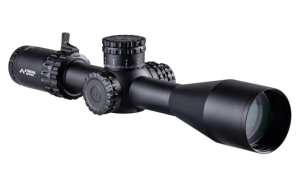
Here is something that surprises almost every new .308 owner. With a 200 yard zero, a 150 grain load drops roughly 8 inches at 300 yards and around 24 inches at 400.
That cliff is why your scope matters more than most people expect. The Ruger American already shoots better than its price suggests, so the optic decides how far you can honestly take a shot.
The .308 Winchester is a forgiving cartridge, but it is not recoil free. Expect somewhere around 15 foot pounds in a rifle this light, which is very manageable and still enough to punish a scope with short eye relief.
Look for about four inches of eye relief and mount the scope far enough forward that you keep your head upright.
The one thing that separates a good choice from a poor one is matching magnification to your real distance. Most hunters buy too much power, then struggle to find a deer at 50 yards in thick timber.
If your shots stay inside 300 yards, a 3 to 9x scope is plenty. If you plan to stretch past that, you want a reticle with holdover marks you will actually use.
Your mounting setup matters too. Check which base and ring arrangement your specific Ruger American model uses before you order, and pick ring height based on the size of the objective lens.
Here is where we landed. The Vortex Diamondback HP is the best all around pick, the Crossfire II is the budget winner, and the Leupold VX Freedom keeps your rifle light.
The Primary Arms SLx is the one for long range curiosity, and the Viper HS is the premium glass for anyone who wants to buy once.
Best Scopes for Ruger American 308 Comparison
| # | Image | Name | Key Features | Check Price |
|---|---|---|---|---|
| 1 | 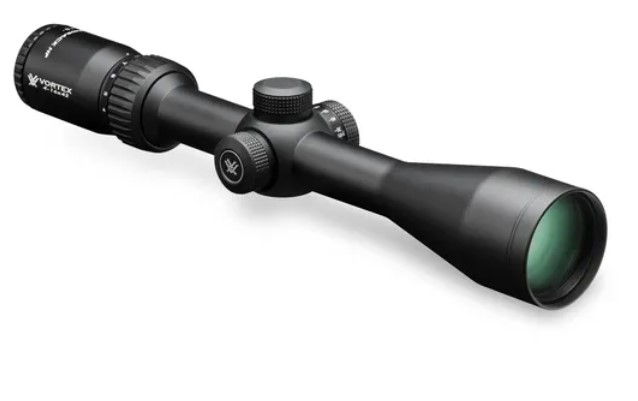 |
Vortex Diamondback HP 4 16×42 | 30mm tube, BDC reticle, wide magnification range | Check Price |
| 2 | 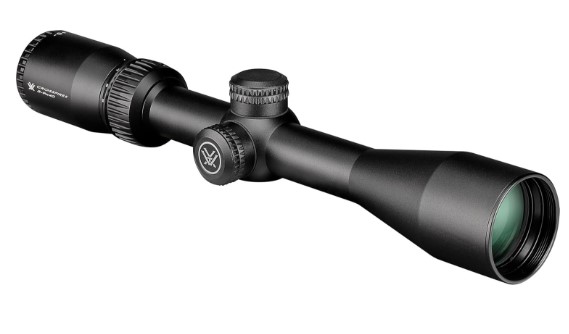 |
Vortex Crossfire II 3 9×40 | Dead Hold BDC reticle, light, lowest cost of the five | Check Price |
| 3 | 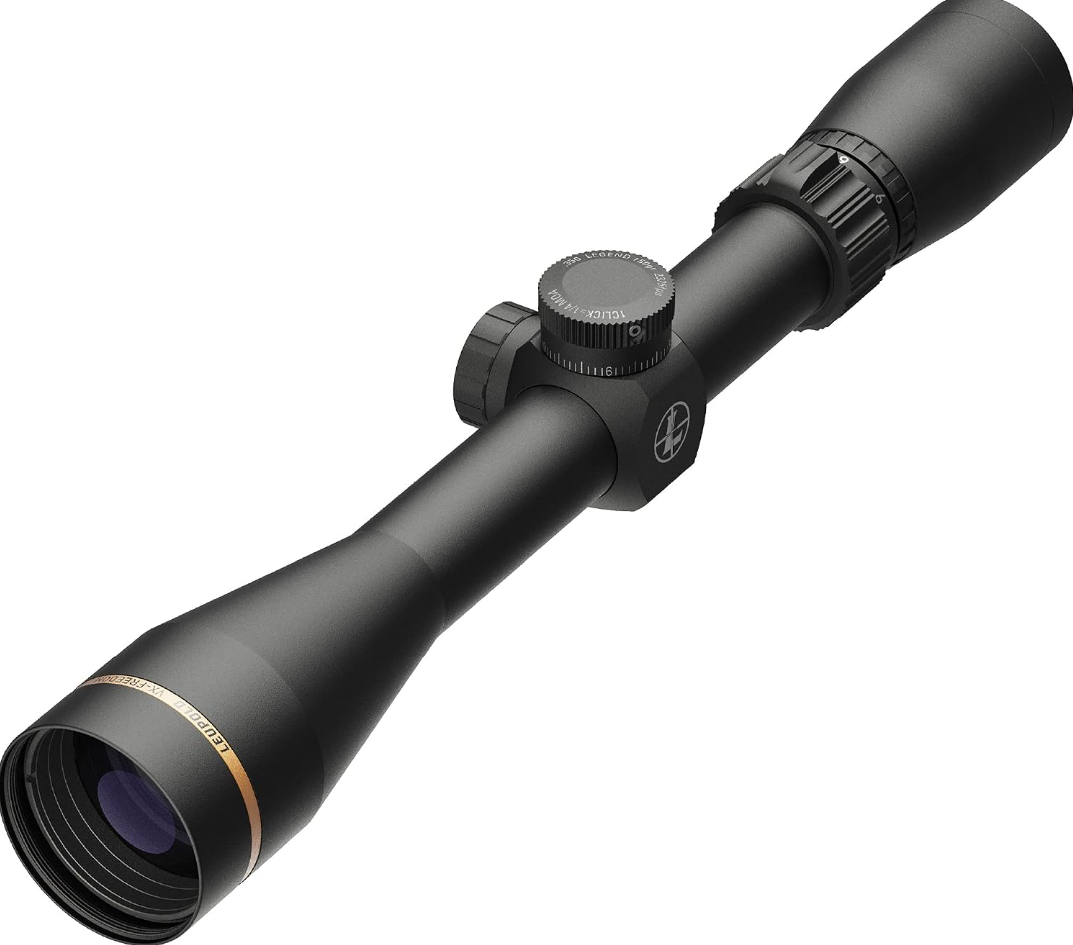 |
Leupold VX Freedom 3 9×40 | Under 11 ounces, bright glass, simple Duplex style reticle | Check Price |
| 4 | 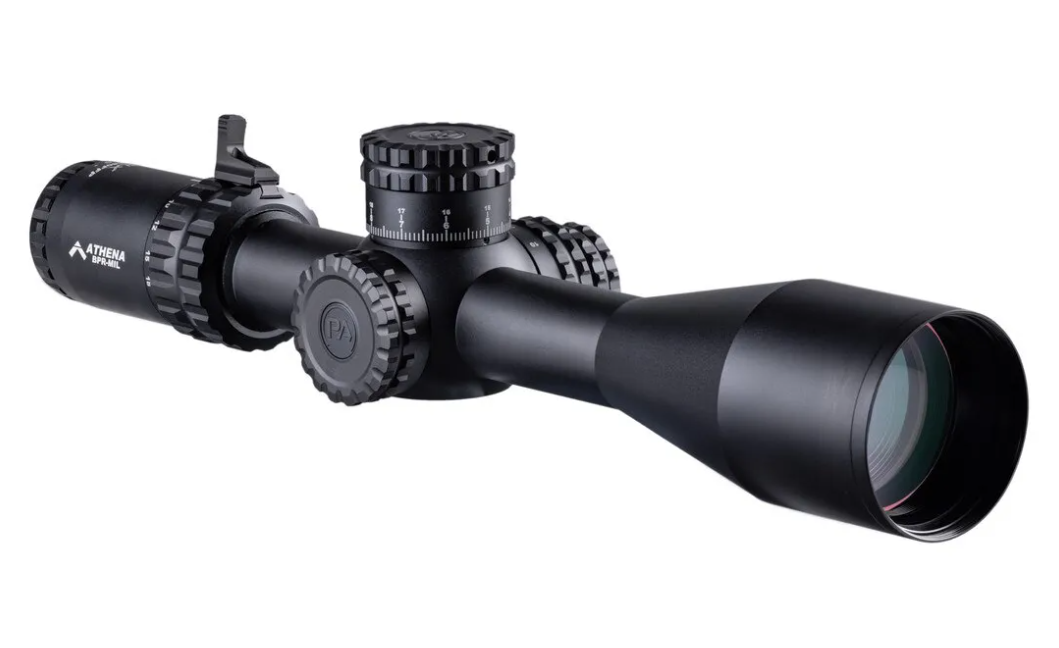 |
Primary Arms SLx 3 18×44 FFP | First focal plane, illuminated reticle, 3 to 18x range | Check Price |
| 5 | |
Vortex Viper HS 4 16×44 | 30mm tube, premium glass, crisp turrets | Check Price |
In Depth Reviews
Every scope below was chosen with the Ruger American’s weight, recoil, and typical hunting use in mind. As you read, ask yourself one question: what is the longest shot I will realistically take this season?
#1 Vortex Diamondback HP 4 16×42 – Best Overall
If you want one scope that covers whitetail in the timber and a longer shot across a bean field, this is the one. It gives you real range flexibility without pushing the price into premium territory.
The 4 to 16x range is the story here. Four power is low enough for a quick shot inside 100 yards, and sixteen power gives you the resolution to read a target at 400.
Here is a detail most buyers miss. The BDC reticle holdover marks are calibrated for a specific magnification, so you set the scope to that power before you rely on them.
Spend an afternoon at the range and confirm your drops against the reticle. A 150 grain .308 load falls fast past 300 yards, and the marks only help if you have checked them against your own ammunition.
The 30mm tube gives you more adjustment travel than a one inch scope. That matters on a Ruger American because you may need extra elevation if you mount on a flat base and want to reach out.
Who should buy this? A hunter who wants room to grow and plans to shoot beyond 300 yards occasionally. Who should skip it? Someone who hunts only dense woods and wants the lightest rifle possible.
It earns the top spot because it is the most balanced choice on the list. It is not the cheapest and it is not the fanciest, but it is the one most Ruger American owners will still be happy with in ten years.
Key Features
| Feature | Specification |
|---|---|
| Magnification | 4 to 16x |
| Objective Lens | 42mm |
| Tube Diameter | 30mm |
| Reticle | BDC style, second focal plane |
| Weight | Roughly 20 ounces |
| Warranty | Vortex VIP: unconditional, lifetime, and transferable |
Pros
- The 4 to 16x range handles close timber and open field shots with the same optic
- The 30mm tube gives you extra elevation travel for stretching the .308 past 300 yards
- Clear glass for the price lets you see a deer clearly at the edges of legal shooting light
- Backed by Vortex’s VIP warranty: unconditional, lifetime, and transferable to the next owner
Cons
- It is heavier than a 3 to 9x scope, which you will feel on a light rifle after a long walk
- The BDC marks work at one magnification, so you need to practice before you trust them
- Sixteen power is more than most hunters ever use
Our Take
If you want one scope that grows with you, the Vortex Diamondback HP is worth a closer look. It delivers real range flexibility and backs it all up with Vortex’s VIP warranty, so you are covered long after the box is recycled.
#2 Vortex Crossfire II 3 9×40 – Best Budget Pick
Let us be honest about the Ruger American for a moment. It is a value rifle, and a lot of people buy it because they want a capable deer rifle without spending a fortune.
This scope matches that spirit. It costs a fraction of the other picks and still gives you a usable BDC reticle, reliable adjustments, and a lifetime warranty.
The 3 to 9x range is exactly what most .308 hunters need. Three power is forgiving on a running deer at 60 yards, and nine power is enough to place a shot at 300.
Here is the non obvious part. At 9x on a 40mm objective, you get an exit pupil of about 4.4mm, which is plenty bright for the first and last fifteen minutes of shooting light.
You will notice the glass is not as crisp at the edges as the Diamondback or Viper. For most whitetail hunting, you will not care, because deer are not shot at the edge of the field of view.
The Crossfire II is also light. Your Ruger American stays easy to carry, and you will notice that on the third mile of a stand walk.
Who should buy this? First time hunters, anyone building a complete rifle on a budget, or someone who wants a backup scope. Who should skip it? Anyone who plans to shoot past 400 yards.
It earns second place because the value is hard to beat. For the money, nothing else on this list gets you hunting this quickly.
Key Features
| Feature | Specification |
|---|---|
| Magnification | 3 to 9x |
| Objective Lens | 40mm |
| Tube Diameter | 1 inch |
| Reticle | Dead Hold BDC, second focal plane |
| Weight | About 12 ounces |
| Warranty | Vortex VIP: unconditional, lifetime, and transferable |
Pros
- It costs the least of the five and still includes a usable holdover reticle
- The 3 to 9x range matches how most deer are actually shot, inside 300 yards
- Light enough that your Ruger American stays easy to carry all day
- Backed by Vortex’s VIP warranty: unconditional, lifetime, and transferable to the next owner
Cons
- The glass loses some sharpness at the edges compared with the Diamondback and Viper
- Nine power tops out well before the .308 runs out of range
- Turret adjustments are fine for hunting but less crisp than the premium picks
Our Take
If you want to get hunting without overspending, the Vortex Crossfire II is worth a closer look. It delivers a reliable reticle and clean 3 to 9x performance, and it backs everything up with the same VIP warranty as Vortex’s pricier models.
#3 Leupold VX Freedom 3 9×40 – Best Lightweight
Some hunters do not care about reticles or turret clicks. They care about carrying a rifle up a ridge at dawn and not feeling it.
This scope is for them. It weighs roughly 10 to 11 ounces, and on a rifle as light as the Ruger American that difference shows up in your shoulder by noon.
The Duplex style reticle is simple on purpose. You get a plain crosshair that is quick to find, hard to confuse, and forgiving when your eye is not perfectly aligned.
Here is something most buyers do not think about. A simpler reticle means you learn your own holdovers, and many experienced hunters prefer that because they never depend on marks that only work at one magnification.
Leupold glass has a reputation for being bright at the edges of legal shooting light. That is where a fraction of a percent in light transmission can decide whether you see the antler or the shadow.
The tradeoff is that you pay for the name. You get less magnification range and fewer features than the Diamondback for a similar price, so you need to value weight and glass over flexibility.
Who should buy this? Walking hunters, mountain hunters, and anyone who prefers a classic, simple scope. Who should skip it? Anyone who wants to shoot past 300 yards with a holdover reticle.
It lands third because it is the best choice for a specific kind of hunter. If that is you, it may be the best pick on the list.
Key Features
| Feature | Specification |
|---|---|
| Magnification | 3 to 9x |
| Objective Lens | 40mm |
| Tube Diameter | 1 inch |
| Reticle | Duplex style, second focal plane |
| Weight | Roughly 10 to 11 ounces |
| Warranty | Covered by Leupold’s lifetime warranty |
Pros
- It is one of the lightest options in this class, which suits a lean Ruger American
- Bright glass helps you see clearly at the edges of legal shooting light
- A simple reticle is fast to find and keeps you from relying on marks you have not tested
- Covered by Leupold’s lifetime warranty
Cons
- You get less magnification range than the Diamondback for a similar price
- There is no holdover reticle, so you need to learn your own drops
- It is not the best choice if you want to shoot beyond 300 yards
Our Take
If you value a light rifle and clean glass above all else, the Leupold VX Freedom is worth a closer look. It delivers a simple, bright sight picture and is covered by Leupold’s lifetime warranty.
#4 Primary Arms SLx 3 18×44 FFP – Best for Long Range
Most hunters never take a shot past 300 yards. If you are one of the few who wants to, this scope is built for that curiosity.
The first focal plane reticle is the headline. It means the reticle marks stay accurate at every magnification, so you do not have to remember to crank to a specific power before you hold over.
That matters on a .308. Remember the numbers from the introduction: the drop at 400 yards is around 24 inches, and a first focal plane reticle lets you hold over confidently at any zoom setting.
The illuminated reticle is a nice touch, too. When light fades or you are shooting into dark timber, a lit reticle keeps your aiming point visible.
Here is something most people do not realize. At 3x, a first focal plane reticle looks very thin and can be hard to see in a hurry, so turn on the illumination if you plan to use low power often.
This scope is bigger and heavier than the others. On a Ruger American you will feel that weight, and you will want medium or high rings to clear the 44mm objective.
Who should buy this? Hunters and range shooters who want to stretch the .308 and enjoy learning ballistics. Who should skip it? Anyone who wants a light, simple deer rifle.
It earns fourth place because it is the specialist. For most buyers it is more scope than they need, but for the right person it is exactly right.
Key Features
| Feature | Specification |
|---|---|
| Magnification | 3 to 18x |
| Objective Lens | 44mm |
| Tube Diameter | 30mm |
| Reticle | Illuminated, first focal plane |
| Weight | Roughly 24 ounces |
| Warranty | Backed by Primary Arms’ lifetime warranty |
Pros
- A first focal plane reticle keeps holdover marks accurate at every magnification
- The illuminated reticle helps in low light and dark timber
- The 3 to 18x range covers close and distant shots with one optic
- Backed by Primary Arms’ lifetime warranty
Cons
- It is the heaviest scope on this list, which changes the balance of a light rifle
- The reticle looks thin at low power unless you use the illumination
- It is more scope than most deer hunters will ever need
Our Take
If you want to push your .308 past 300 yards, the Primary Arms SLx 3 18×44 is worth a closer look. It delivers a first focal plane reticle and illumination, and it is backed by Primary Arms’ lifetime warranty.
#5 Vortex Viper HS 4 16×44 – Best Premium
If you want to buy once and stop thinking about optics, this is where you end up. It sits above the Diamondback in Vortex’s lineup and the difference shows when you look through it.
The glass is noticeably sharper across the field of view. Edges stay clean, contrast is better, and you see more detail in shadow, which helps most in the first and last light of the day.
The turrets are the other upgrade. They feel crisper and more positive, which matters if you plan to adjust for distance or if you simply want the confidence that your clicks are accurate.
Here is a detail that matters for a Ruger American owner. The 44mm objective is larger than most scopes on this list, so check your ring height and be sure the scope clears the barrel and receiver before you tighten anything.
You will also feel the weight. This scope is not heavy for its class, but on a rifle as light as the Ruger American it changes the balance, and some hunters notice it on a long walk.
Who should buy this? Someone who wants the best glass in the Vortex lineup short of the Razor line, and who will keep the rifle for many seasons. Who should skip it? Anyone on a tight budget, since the Crossfire II gets you hunting for much less.
It lands fifth only because of price. It is a great scope, but most Ruger American owners will be perfectly happy with the Diamondback.
Key Features
| Feature | Specification |
|---|---|
| Magnification | 4 to 16x |
| Objective Lens | 44mm |
| Tube Diameter | 30mm |
| Reticle | BDC style, second focal plane |
| Weight | Roughly 22 ounces |
| Warranty | Vortex VIP: unconditional, lifetime, and transferable |
Pros
- Sharper edge to edge glass than the Diamondback, especially at dawn and dusk
- Crisp turrets give you confidence when you adjust for distance
- The 30mm tube provides plenty of elevation travel for the .308
- Backed by Vortex’s VIP warranty: unconditional, lifetime, and transferable to the next owner
Cons
- It costs significantly more than the Diamondback, and the difference may not matter at 200 yards
- The 44mm objective needs careful ring height planning on the Ruger American
- It adds weight to a rifle you probably bought because it was light
Our Take
If you want premium glass and plan to keep your rifle for a long time, the Vortex Viper HS is worth a closer look. It delivers sharp optics and crisp turrets, and it is backed by Vortex’s VIP warranty: unconditional, lifetime, and transferable.
Did You Know? The .308 Winchester reached the civilian market in 1952, two years before the military adopted nearly the same cartridge as the 7.62x51mm NATO. That is why you can find .308 ammunition almost anywhere, which makes practice much cheaper than you might expect.
Conclusion
You now know that the .308 drops about 8 inches at 300 yards and around 24 inches at 400. That one fact tells you more about your scope needs than any spec sheet.
The right scope is the one that matches the shots you will really take, not the shots you imagine. A hunter who sits in a stand over a 150 yard clearing needs a very different optic than someone shooting across an open basin.
For most Ruger American owners, the Vortex Diamondback HP 4 16×42 is the right choice. It gives you range flexibility, enough elevation travel, and a warranty that follows the scope for life.
It earns the top spot because it fits the widest range of hunters without asking you to compromise.
If your budget is tight, the Crossfire II gets you hunting quickly and still carries a lifetime warranty.
For walking long distances, the Leupold VX Freedom keeps your rifle light and your sight picture simple.
If you want to stretch the .308, the Primary Arms SLx gives you a first focal plane reticle that works at every magnification.
If you want the best glass and plan to keep the rifle for decades, the Viper HS is a scope you will not outgrow.
Before you order, check the mounting setup on your specific Ruger American and choose rings that match the size of the objective lens. Then spend an afternoon at the range confirming your zero and learning your holdovers.
Whichever scope you pick, you are choosing a good combination for a rifle that already punches above its price. Take your time, trust your own distances, and enjoy the season.