

The Dragunov was never designed to be a tack driver. It was built in 1963 as a squad marksman rifle, meant to give one trained soldier a real chance at a person sized target around 600 meters.
A scope that costs more than the rifle will not fix that.
What it will do is let you use the rifle’s real potential. The 7.62x54R drops 50 to 60 inches at 500 yards with a 200 yard zero, so you need a reticle that makes those holdovers quick and repeatable.
Then comes the part that trips up almost every buyer: the rail. The original PSO 1 slides onto a proprietary side rail, and many clones keep it.
Others, including some Romanian PSL and FPK rifles and Chinese variants, ship with different mounting arrangements.
Clones vary a lot between makers and import batches, so verify what is on your receiver before you order anything. A great scope on the wrong mount is just an expensive paperweight.
The second decision is how you will use the rifle. If you want the classic experience, a fixed 4x PSO style scope is the closest thing to the original.
If you want modern flexibility, a variable power DMR style scope with a MIL or BDC reticle is the smarter tool.
Here is how the five picks land. The Vortex Viper PST Gen II is our best overall, the Strike Eagle is the LPVO choice, and the Crossfire II keeps the budget under control.
The Belomo PSO 1M2 is the authentic option, and the Trijicon AccuPoint is the premium choice for people who want a battery free reticle.
Best Scopes for Dragunov SVD Clone Comparison
| # | Image | Name | Key Features | Check Price |
|---|---|---|---|---|
| 1 | 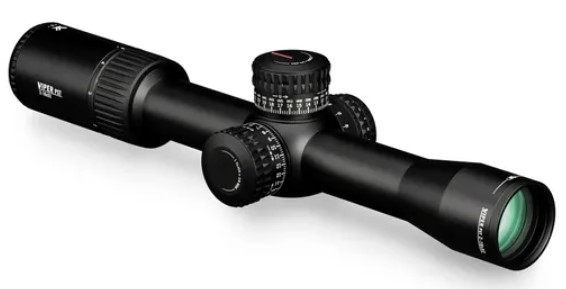 |
Vortex Viper PST Gen II 2 10×32 FFP | First focal plane, MIL reticle option, 30mm tube | Check Price |
| 2 | 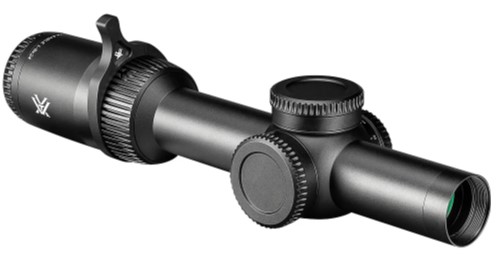 |
Vortex Strike Eagle 1 8×24 | Wide 1 to 8x range, illuminated BDC reticle, fast close work | Check Price |
| 3 | 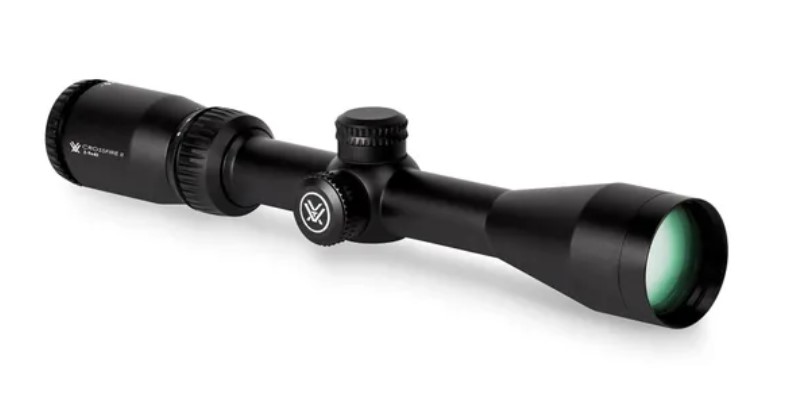 |
Vortex Crossfire II 3 9×40 | Lowest cost, light, BDC reticle option | Check Price |
| 4 | 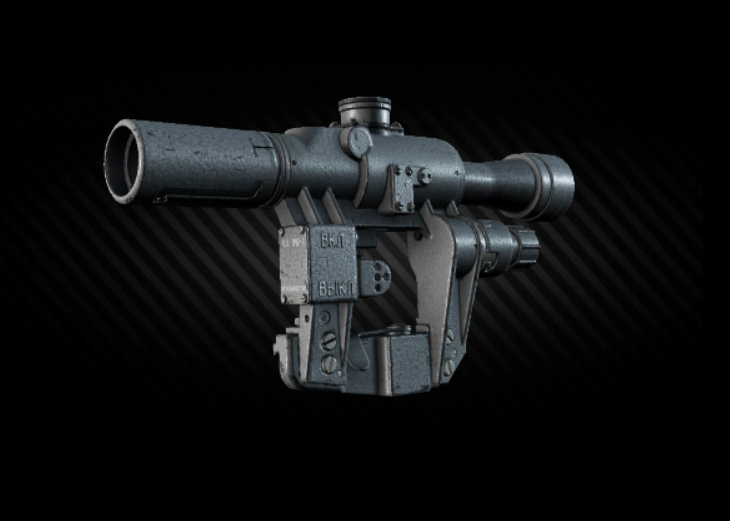 |
Belomo PSO 1M2 4×24 | Fixed 4x, rangefinding reticle, original side rail style | Check Price |
| 5 | 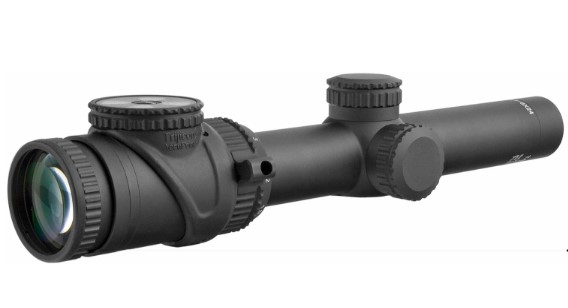 |
Trijicon AccuPoint 1 6×24 | Battery free triangle reticle, rugged, 1 to 6x range | Check Price |
In Depth Reviews
Each scope below is judged by how it works on a semiauto 7.62x54R that shoots honest but not match grade groups. Keep one question in mind as you read: how far will you shoot, and how fast do you need to get on target?
#1 Vortex Viper PST Gen II 2 10×32 FFP – Best Overall
If you want one scope that makes a Dragunov clone feel like a proper designated marksman rifle, start here. The 2 to 10x range with a first focal plane MIL reticle gives you speed up close and real holdover tools at distance.
First focal plane matters on this rifle for a specific reason. The reticle grows and shrinks with magnification, so your MIL holdovers stay correct at every power setting.
On a rifle with a pronounced bullet drop, that is a major advantage. You can dial down to 4x for a moving target and still use the same hash marks you practiced at 10x.
The 7.62x54R will fall 50 to 60 inches at 500 yards with a 200 yard zero. Rather than memorizing a BDC chart that matches one load, a MIL reticle lets you build a drop table for your own ammunition and read it in plain numbers.
Here is a detail most buyers miss. Surplus steel case ammunition and modern soft point loads do not share the same trajectory, so a fixed BDC can lie to you the moment you switch brands.
The 32mm objective keeps the scope slim, which helps because many side rail mounts hold optics higher than you would like. A smaller objective gives you more freedom on ring height and lets you keep your cheek weld.
Who should buy this? Someone who wants a modern DMR setup and is willing to learn MIL math. Who should skip it? A shooter who wants the vintage look or who plans to stay inside 200 yards.
It earns the top spot because it fits what these rifles do best: fast engagements out to about 600 yards, with a reticle that tells you the truth about your ammunition.
Key Features
| Feature | Specification |
|---|---|
| Magnification | 2 to 10x |
| Objective Lens | 32mm |
| Tube Diameter | 30mm |
| Reticle | EBR 7C, first focal plane, MRAD or MOA versions |
| Weight | 20 ounces |
| Warranty | Vortex VIP: unconditional, lifetime, and transferable |
Pros
- First focal plane means your holdovers stay accurate at every magnification, which suits a rifle with steep drop
- A MIL reticle lets you build your own drop table for whatever 7.62x54R ammunition you buy
- The slim 32mm objective gives you flexibility on ring height over a high mounting platform
- Backed by Vortex’s VIP warranty: unconditional, lifetime, and transferable to the next owner
Cons
- Reading a MIL reticle takes practice, and beginners may find it slower at first than a simple BDC
- Reticle details change between versions, so confirm which one you are ordering
- It will not fix the rifle’s own accuracy limits, so expect group size to come from the rifle, not the glass
Our Take
If you want a scope that treats your clone like the marksman rifle it was meant to be, the Vortex Viper PST Gen II is worth a closer look. It delivers fast close work, honest long range holdovers, and backs it all up with Vortex’s VIP warranty: unconditional, lifetime, and transferable to the next owner.
#2 Vortex Strike Eagle 1 8×24 – Best LPVO Pick
A low power variable optic is the quiet favorite among people who shoot these rifles. At 1x you can work inside a barn, and at 8x you can still read a target at 500 yards.
That flexibility is why this scope earns a spot. A Dragunov clone is a semiauto, and semiauto rifles invite fast follow up shots that a fixed 4x scope handles less.
Here is the honest caveat. The reticle is a BDC designed around 5.56 ballistics, so its holdover marks will not match your 7.62x54R drop out of the box.
Treat those marks as reference points, not gospel. Spend an afternoon at the range, record where each mark lands at your chosen magnification, and write the numbers on a card for the stock.
The second focal plane design also means the reticle holdovers are true at one power, the highest. That is fine if you commit to 8x for distance work and use 1x to 3x for close shots.
The illuminated reticle is a real advantage here. Shadows, tree lines, and indoor ranges all swallow thin black lines , and a lit center dot keeps your aiming point visible.
Who should buy this? Anyone who wants one scope for hogs at 50 yards, steel at 400, and the occasional range day. Who should skip it? A shooter who wants dedicated long range ranging marks at every zoom level.
It sits at number two because the reticle is not built for your cartridge. Even so, for the price and the versatility, it is hard to beat for a clone that spends most of its time inside 400 yards.
Key Features
| Feature | Specification |
|---|---|
| Magnification | 1 to 8x |
| Objective Lens | 24mm |
| Tube Diameter | 30mm |
| Reticle | AR BDC4 style, second focal plane, illuminated |
| Weight | 17 ounces |
| Warranty | Vortex VIP: unconditional, lifetime, and transferable |
Pros
- True 1x gives you a fast, two eyes open option for close work that a fixed 4x cannot match
- The 8x top end still lets you identify targets and place shots at DMR distances
- The illuminated reticle stays visible in shadows, timber, and low light
- Backed by Vortex’s VIP warranty: unconditional, lifetime, and transferable to the next owner
Cons
- The BDC marks are built around a different cartridge, so you must verify your own holdovers
- The reticle is calibrated at the highest power because of the second focal plane design
- Eight power is less magnification than some shooters want for 600 yard work
Our Take
If you want a scope that keeps your clone quick up close and capable far out, the Vortex Strike Eagle 1 8×24 is worth a closer look. It delivers real versatility for the money and backs it all up with Vortex’s VIP warranty: unconditional, lifetime, and transferable to the next owner.
#3 Vortex Crossfire II 3 9×40 – Best Budget Pick
Let us be honest about the budget question. A lot of people buy a Dragunov clone because it is an affordable way into the semiauto marksman world, and an expensive scope can double the cost of the whole project.
This is the scope for that buyer. It costs a fraction of the others, weighs very little, and still gives you a clear sight picture and a lifetime warranty.
The 3 to 9x range is useful here. Three power is quick for close targets, and nine power is plenty to place shots on steel out to about 400 yards, which is well inside what a typical clone can do.
Remember the rifle’s own limits. If your rifle shoots 2 to 3 MOA, a 600 yard shot has a group that is already 12 to 18 inches wide before wind. A cheap scope is not the weak link in that equation.
The one trade is the reticle. The Dead Hold BDC option gives you holdover marks, but they are tuned for a different bullet drop. Plan on verifying them with your ammunition or using the marks as rough guides.
Another detail to check is tube size. This scope uses a one inch tube, so you need one inch rings. On a side rail setup, that means confirming which ring height and mount style your rifle needs before you buy.
Who should buy this? A shooter who wants a working scope this month and plans to learn the rifle before spending more. Who should skip it? Someone who wants to practice serious long range holdovers.
It lands at number three because it is the smartest way to get started without regret. Upgrade later if you fall in love with the rifle.
Key Features
| Feature | Specification |
|---|---|
| Magnification | 3 to 9x |
| Objective Lens | 40mm |
| Tube Diameter | 1 inch |
| Reticle | V Plex or Dead Hold BDC, second focal plane |
| Weight | 12 ounces |
| Warranty | Vortex VIP: unconditional, lifetime, and transferable |
Pros
- The lowest cost of the five, which leaves budget for a proper mount and good ammunition
- Light weight keeps a heavy rifle from feeling any heavier
- The 3 to 9x range covers close targets and steel out to a realistic distance for a clone
- Backed by Vortex’s VIP warranty: unconditional, lifetime, and transferable to the next owner
Cons
- The one inch tube offers less elevation travel than a 30mm scope
- The BDC marks are not tuned to 7.62x54R, so expect to verify them yourself
- The 40mm objective can sit high on some side rail mounts
Our Take
If you want a dependable first scope without stretching your budget, the Vortex Crossfire II 3 9×40 is worth a closer look. It delivers clear glass and simple controls, and backs it all up with Vortex’s VIP warranty: unconditional, lifetime, and transferable to the next owner.
#4 Belomo PSO 1M2 4×24 – Best Authentic Style
If you own a Dragunov clone for the history, nothing else looks right. The PSO style scope is the optic the rifle was designed around, and it mounts to the proprietary side rail without extra adapters.
The design is clever. A fixed 4x magnification and a 24mm objective keep it compact, while a reticle with built in rangefinding marks lets you estimate distance using a person sized target.
The battery powers the reticle illumination for dim conditions. Many PSO scopes also include a small infrared detector, which tells you more about its Cold War roots than it does about everyday use.
Here is the honest part. A fixed 4x scope is not a precision tool by modern standards. The glass is serviceable, the eye relief is long, and the field of view is wide, but you will not see the fine detail of a Vortex or Trijicon.
Its biggest strength is the reticle. The bullet drop compensator cam is calibrated for original 7.62x54R military ammunition, so its distance marks are accurate when you shoot something similar.
Many clones shoot ammunition that differs from that original load, so treat the markings as a starting point. A little range time will show you where your own rifle and ammunition land.
Availability is the other practical issue. Import rules and seller stock change over time, so check that the listing is genuine and compatible with your specific rifle before you commit.
Who should buy this? A collector or traditionalist who wants an authentic setup that works. Who should skip it? A shooter who wants modern holdovers or a Picatinny rail without buying an adapter.
Key Features
| Feature | Specification |
|---|---|
| Magnification | Fixed 4x |
| Objective Lens | 24mm |
| Mount | Original side rail style |
| Reticle | Rangefinding stadia with BDC cam, illuminated |
| Weight | 20 ounces |
| Warranty | Varies by seller and importer, so confirm before ordering |
Pros
- It mounts straight to a side rail rifle with no extra adapters, which keeps the setup simple and authentic
- Built in rangefinding marks teach you to estimate distance the way the original system intended
- The compact fixed 4x design is rugged, simple, and easy to learn
- Looks right on a clone, which matters if the rifle is a collector piece
Cons
- The reticle and cam are calibrated for military ammunition, so verify them with your own load
- Modern scopes offer brighter glass and better low light performance
- Warranty coverage depends on the seller, which makes research more important
Our Take
If you want your clone to look and function the way the original designers intended, the Belomo PSO 1M2 is worth a closer look. It delivers authentic ergonomics and a reticle with a story, so confirm your rail type and compatibility first and you will be happy with it.
#5 Trijicon AccuPoint 1 6×24 – Best Premium
Premium does not have to mean complicated. The AccuPoint earns its price with a battery free reticle: an amber triangle post lit by fiber optics and tritium, so there is nothing to forget to charge.
That matters on a rifle that might sit in a safe for months between range trips. You pick it up, look through it, and the aiming point is there.
The 1 to 6x range makes it a fast marksman optic. At 1x you can shoot with both eyes open, and at 6x you can still reach out to 500 yards, which suits a clone that is more of a 300 to 500 yard rifle than a 1000 yard sniper.
The triangle post is the interesting design choice. It is simple, bold, and quick to find, but it is not a fine crosshair, so it will not give you the finest precision on small targets at distance.
Think of it this way. This is a tool for shooters who value reliability and speed over detailed holdovers. If your idea of a DMR day is steel at 300 yards and reactive targets, it is excellent.
Build quality is where Trijicon earns its reputation. The housing is rugged and the optics are designed to shrug off the sort of recoil and rough handling a semiauto rifle dishes out.
It also means the scope is expensive. For the same money you could buy a good scope and a nice mount, so be sure the battery free reticle is a feature you will value.
Who should buy this? Someone who wants a durable, set and forget optic for a clone that they plan to shoot hard. Who should skip it? A shooter who needs detailed MIL holdovers beyond 500 yards.
Key Features
| Feature | Specification |
|---|---|
| Magnification | 1 to 6x |
| Objective Lens | 24mm |
| Tube Diameter | 30mm |
| Reticle | Amber triangle post, fiber optic and tritium illuminated |
| Weight | 17 ounces |
| Warranty | Trijicon limited lifetime warranty |
Pros
- The battery free reticle works whenever you pick up the rifle, with no battery to forget
- True 1x to 6x range supports fast work close and real shots to about 500 yards
- Rugged construction suits the recoil and handling of a semiauto rifle
- Protected by Trijicon’s limited lifetime warranty
Cons
- It costs more than the other scopes on this list
- The triangle post offers less fine aiming precision than a thin crosshair
- It has fewer holdover marks than a MIL reticle for long range shots
Our Take
If you want a durable, battery free optic that is ready whenever you are, the Trijicon AccuPoint 1 6×24 is worth a closer look. It delivers speed and toughness for a hard working clone, and it is protected by Trijicon’s limited lifetime warranty.
Did You Know? The original PSO 1 reticle includes a set of rangefinding stadia based on a standing target about 1.7 meters tall. A shooter lines up a human sized figure inside the marks and reads the approximate range, with no electronics and no calculator.
Final Thoughts: Picking the Right Scope for Your Clone
You now know something many buyers learn the hard way. Dragunov clones are not one rifle. They differ in rail type, accuracy, and condition, so the scope decision starts with the receiver in your hands, not the scope on the screen.
The top recommendation is the Vortex Viper PST Gen II 2 10×32 FFP. It earns the spot because first focal plane MIL holdovers suit a cartridge with a steep drop, and you can build your own drop table for whatever ammunition you buy.
Before you order, verify your rail. If you have the classic side rail, you will need a side mount with rings that match your tube size. If your rifle has a Picatinny or optic rail, standard rings will do. Do not guess.
Next, be honest about what you want from the rifle. If you want the classic experience, the Belomo PSO 1M2 is the closest thing available.
For speed and versatility, the Strike Eagle or the AccuPoint will serve you well.
If you want to keep the cost under control, the Crossfire II is a safe starting point.
Spend what you save on a quality mount and good ammunition, because both will improve your results more than a more expensive scope.
Keep expectations realistic. Most clones group around 2 to 3 MOA, so a 400 yard shot is where the rifle starts to be fun and a 600 yard shot is where it becomes a challenge. That is not a flaw. It is the nature of the platform.
Finally, spend an afternoon at the range with your chosen optic and record your own drops. A card taped to the stock with real numbers from your ammunition is worth more than any marketing brochure.
Pick the scope that matches your rail, your budget, and your idea of fun, and you will have a rifle that earns its place in the safe.

Richard Brown is a long-range shooting enthusiast and competitive shooter with extensive experience in scopes across multiple disciplines. He hunts regularly across the Midwest and has built his expertise through years of hands-on testing in both competitive shooting and hunting. Richard also instructs youth rifle shooting, which has given him perspective on scopes at every price point and skill level. He combines technical knowledge with practical field experience to provide honest reviews – contact me